You must be signed in to read the rest of this article.
Registration on CDEWorld is free. You may also login to CDEWorld with your DentalAegis.com account.
Oral nicotine pouches (ONPs) are an emerging category of smokeless nicotine products that entered the US market in 2016.1 US market share increased from 0.9% in 2018 to 4% in 2019, and sales rose from 0.16 million units in 2016 to 46 million units in the first six months of 2020, reflecting shifting preferences and marketing.1 Despite their novelty, ONPs are widely marketed both in the United States and globally and are recognized by many current and former nicotine users.2 Dental healthcare professionals should be familiar with ONP use trends and potential oral and systemic implications.
Data on ONP use patterns varies. The International Tobacco Control Youth Survey 2021 data shows 4% of 16- to 19-year-olds reported ever using ONPs across the United States, Canada, and England.3 Overall, regular ONP use remains relatively low (ever-use 9%–13%; current use 2%–4%).2 Nicotine pouch sales increased from 126 million per month in 2019 to 808 million per month in 2022.2,4 ONP ≤6 mg products dominated sales volume, but ≥8 mg pouches were the fastest-growing segment, underscoring rapid product evolution despite low overall prevalence.4
Although most Americans view cigarettes as harmful, many believe vaping or alternative forms of nicotine consumption are less harmful than combustible tobacco use.5 Perceptions of ONPs are mixed; some people view them as less hazardous than cigarettes and electronic nicotine delivery (END) devices.5 Marketing terms such as “tobacco-free” may reduce perceived harm and increase interest among youth and non-tobacco users.6 Common motivations for ONP use include affordability, nicotine craving reduction, and appealing flavors.7 Because smoking and vaping are restricted in many spaces, the discreet nature of ONPs may increase their appeal.8 Flavored options (eg, mint, fruit, and dessert) further contribute to their popularity with more than 50% of young adults who use ONPs reporting using flavored pouches.6-8
Given the increasing rates of ONP use, investigating potential oral and systemic effects is critical. Oral healthcare workers should understand how ONP risks compare with cigarettes, END use, and other smokeless products. Direct ONP oral-health data remains limited, but nicotine’s adverse effects on periodontal and oral tissues are well-established, and available evidence suggests ONPs may have comparable oral and periodontal effects to other nicotine-containing products.9
Product Profile of ONPs
Composition, Including Nicotine Content and Additives
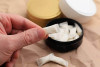
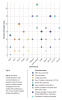
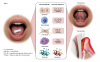
ONPs are prefilled microfiber pouches that contain crystallized nicotine powder on a non-tobacco substrate composed primarily of microcrystalline cellulose and moisture, typically within a viscose-fiber outer material (Figure 1).10 This differentiates them from snus and other oral tobacco products that contain processed tobacco leaves.6 Pouch contents are typically 80% to 90% matrix material, while the remainder includes nicotine, flavorings, pH adjusters, salt, and filling agents.10 The crystallized nicotine may be derived from tobacco leaves or produced through chemical synthesis.1 Reported nicotine content ranges from 1.79 mg to 50 mg per pouch, reflecting manufacturer formulation differences.11 While ultra-strong (30 mg to 50 mg per pouch) nicotine pouches are less commonly used and have a warning label against use in nicotine-naïve users, the maximum amount of nicotine in ONPs continues to increase. Commonly used ONP brands and their range of nicotine content are listed in Figure 2.2,3
Pharmacochemical Properties
Nicotine salt composition and pH levels in ONPs influence nicotine bioavailability; nicotine is an alkaline alkaloid with a pKa value of 8.01.2,12 Higher pH increases the proportion of unprotonated (“free”) nicotine, which is absorbed more rapidly through oral mucosa and can increase nicotine delivery and addictiveness.2 Free nicotine drives pharmacokinetics and overall nicotine delivery.12 The pH of ONPs ranges from 6.86 to 10.4, generating free nicotine proportions from 7.7% to 99.2%.2,12 ONPs demonstrate a median pH of 8.8, resulting in approximately 86% free nicotine.2 Because laboratory-derived nicotine salts are used in ONPs, manufacturers can adjust and maximize delivery and palatability using pH modifiers (eg, sodium carbonate and sodium bicarbonate).12
Toxicologic Considerations
Chemical analyses suggest that while ONPs may contain fewer harmful constituents than traditional tobacco products, they are not toxin-free. Multiple potentially harmful non-nicotine compounds have been detected in ONPs.9 Formaldehyde, chromium, ammonia, and tobacco-specific nitrosamines (TSNAs) have been identified in some commercially available ONPs.2,13 Even trace amounts of these compounds raise safety concerns for chronic users because these toxicants are linked to irritation, lung damage, and carcinogenic potential.13
A chemical analysis of ONPs from 22 manufacturers identified 186 distinct chemicals, including eight classified as hazardous by the European Classification, Labeling, and Packaging Regulation.2 The International Agency for Research on Cancer has identified three substances commonly found in ONPs—methyl eugenol, benzophenone, and β-myrcene—as potentially carcinogenic.2 Overall, toxicant quantities in ONPs are lower than in other combustible and non-combustible tobacco products.3 Thus, for established users of other tobacco products, ONPs may represent a harm-reduction step toward cessation, although long-term effects remain inconclusive. Product risk likely varies by brand, strength, and additive profile, so messaging to the public must establish that “tobacco-free” nicotine products should not be interpreted as reflecting safety.3
Oral Effects Observed From ONP Usage
Clinical and Histological Findings
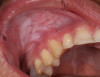
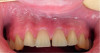
Intraoral ONP placement sites can develop leukoplakic lesions and other morphological changes, which may be asymptomatic and detected incidentally during routine examinations.9 Reported clinical patterns include linear, grainy, and localized leathery lesions.8,9 Lesion appearance seems related to pouch placement and duration of use, with lesions often adjacent to habitual placement sites (Figure 3 and Figure 4).8,9
In a cross-sectional study of ONP users, oral lesions were the most frequently reported adverse effect, followed by sore mouth and strange jaw sensation.9 Other commonly reported ONP side effects included xerostomia, soreness, and gingival blisters.9 Lesion severity and extent appear related to daily levels and duration of ONP use.9 Histopathology has demonstrated hyperplastic multilayer flat epithelial fragments with underlying subepithelial fibrous stroma.8 Mucosal edema and expanded capillaries have also been observed in tissue samples.9 Overall, findings suggest tissue-level changes beyond simple surface irritation.9
Concerns of Carcinogenic Potential
While ONPs are relatively new, smokeless tobacco is a well-established risk factor for oral leukoplakia and oropharyngeal cancer.1 The presence of TSNAs in some ONPs is concerning given prolonged direct contact with oral mucosa.1 Key TSNAs include nicotine-derived nitrosamine ketone (NNK) and N-nitrosonornicotine (NNN). NNK and NNN can form DNA adducts and have been shown in vitro to promote tumor growth through receptor-mediated effects.14,15 Exposure to NNN has been reported to be associated with promoting esophageal tumors.8
Currently, there are no studies specifically linking ONPs and oropharyngeal or other cancers.6 However, based on evidence from other smokeless tobacco products and site-specific leukoplakia associated with ONP placement, ONPs may also be associated with elevated cancer risk.8 Periodontal pathogens have been shown to potentiate carcinogenic effects of other mild carcinogens by transforming nicotine into TSNAs and inducing nitrate reduction.16-19 The presence of mucosal white lesions in ONP users was associated with elevated levels of interleukin (IL)-6, IL-8, IL-1, and tumor necrosis factor (TNF)-α, suggesting a heightened inflammatory response and potential increased risk of oral cancer.9 Additionally, there are currently no limits on nicotine strength or restrictions on advertising of ONPs, which can complicate assessing carcinogenic risks.3
Periodontal Implications of ONP Usage
While documentation of impacts of ONPs on periodontal health is limited, pouches are placed between the lip and gingivae, positioning them in direct contact with periodontal tissues.10 It follows that local contact may deliver potentially toxic chemicals into the gingival microenvironment and may also contribute to mechanical injury and irritation.10 Smokeless tobacco use has been associated with greater attachment loss and gingival recession at habitual placement sites.10 A positive association has also been reported between smokeless tobacco and severity of periodontal disease.10 In vitro studies show ONP extracts cause direct toxicity in gingival epithelial cells.10 Nicotine can also dysregulate host inflammatory responses to microbial challenges, potentially upregulating periodontal tissue destruction.10
At the cellular level, nicotine exposure activates nicotinic acetylcholine receptor expression, suppresses periodontal ligament fibroblasts and stem cell viability, and increases reactive oxygen species (ROS).10 Elevated ROS can trigger downstream signaling (extracellular signal-regulated kinase [ERK], c-Jun N-terminal kinase [JNK], caspase-3/9), leading to DNA fragmentation and cell death.10 Nicotine may further facilitate periodontal breakdown by upregulating pro-inflammatory cytokine and mediator profiles and promoting bone loss.10 Nicotine has been shown to enhance interleukins (IL-1β, IL-8, IL-6, etc.), interferon-gamma (IFN-γ), prostaglandin E2, and matrix metalloproteinase-2 production.10, 20 Locally absorbed nicotine increases inflammatory cell chemotaxis and induces osteoclastogenic/pro-inflammatory factors (receptor activator of nuclear factor Kappa-B ligand [RANKL], RANK, TNF-α, IL-1β).10 This osteoclastic activation can contribute to bone resorption and attachment loss. Collectively, these pathways provide biologic plausibility for increased susceptibility to periodontitis and resistance to periodontal therapy with nicotine exposure (Figure 5).10
Oral Microbiome Changes Associated With ONPs
During periodontal pathogenesis, nicotine consumption and smoking can shift subgingival microflora toward a gram-negative, pathogen-enriched community.10 Exposure to smokeless tobacco products has also been associated with increased bacterial diversity and abundance of periodontitis-associated taxa, including Actinomyces, Aggregatibacter, Streptococcus, and Staphylococcus.10 Because many ONP users are former tobacco smokers or dual users, research is needed to determine the specific impacts and timeframe in which ONPs may independently alter the oral microbiome.10
Host Response to ONP Consumption
Salivary inflammatory biomarkers (IL-1, IL-6, IL-8, TNF-α, and leucine-rich alpha-2-glycoprotein 1) have been assessed in users of snus and ONPs.9 Dual users of snus and ONPs exhibited elevated levels of these markers compared with non-nicotine users.9 In vitro, peripheral blood mononuclear cell exposure to tobacco-derived products increased pro-inflammatory cytokines (IL-1, IL-6, IL- 8, TNF-α, and macrophage inflammatory protein-1), whereas exposure to tobacco-free ONPs reduced pro-inflammatory cytokine production.21 This may suggest a less pronounced cellular inflammatory response than traditional smokeless products, but these models may not capture real-world additives. Flavored ONPs have been shown to elicit enhanced toxicological responses in oral and bronchial epithelial cells.1 Spearmint- or tobacco-flavored ONPs produced greater cellular responses than non-flavored alternatives.1
Toxicant Exposure Levels
Comparative assessments suggest ONPs may yield lower exposure to many toxicants than combustible cigarettes and, in some analyses, snus, with some toxicant levels approximating nicotine replacement therapy (NRT).13 Nonetheless, ONPs still contain harmful constituents, and formulation variability across manufacturers limits generalization. Cross-product comparisons are also constrained by heterogeneous analytic methods and rapidly evolving formulations.10,13 Nicotine pharmacokinetics vary by dose and product characteristics. For example, 4 mg ONPs have lower total nicotine exposure and peak concentration than cigarettes, whereas >8 mg ONPs can have higher total exposure and peak concentration.22 Cigarettes typically produce rapid nicotine absorption within 5 to 8 minutes, while ONPs reach peak nicotine levels more slowly via mucosal absorption (20 to 65 minutes).22 Despite slower onset, high-nicotine formulations can deliver substantial total nicotine exposure that may sustain dependence and complicate cessation.22
ONPs: A Harm Reduction Strategy for Smoking Cessation?
ONPs are frequently marketed or perceived as a lower-risk alternative to smoking, but evidence supporting ONPs as a cessation intervention remains limited.13 In randomized trials, participants often rated ONPs more satisfying than nicotine gum or placebo but less satisfying than cigarettes, and cessation rates were not meaningfully improved versus other NRTs.13 These findings raise concerns that ONPs may enable partial substitution or dual use rather than complete cessation for some individuals.1,13
Adults switching from cigarettes to ONPs have demonstrated short-term improvements in gingival inflammation and bleeding measures versus continued smoking, suggesting benefit primarily if switching completely away from combustible tobacco.22 In a prospective study of snus users who switched to tobacco-free nicotine pouches, no significant change in gingival recession incidence was detected during follow-up.21 In adults switching from cigarettes to ONPs for 24 weeks, reductions in gingival inflammation and bleeding indices were reported compared with continued smoking, although equivalence of nicotine dose across phases was not established.23 More research, however, is needed to determine whether established tobacco users would use ONPs long-term.
Clinical and Public Health Considerations
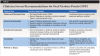
Because patients may not disclose ONP use, clinicians should ask directly about ONPs alongside cigarettes, smokeless tobacco, and ENDs, and document frequency, duration, nicotine strength, flavors, and placement sites.2 Management of the patient should emphasize periodic reassessment of placement-site lesions and evidence-based counseling for nicotine cessation when indicated.2,8,13 ONP screening recommendations are presented in Table 1.
Future Research
Key knowledge gaps related to ONPs include limited longitudinal data on the natural history and reversibility of ONP-associated mucosal lesions, periodontal incidence and progression among exclusive users, and long-term cancer-related outcomes.1,8,9 Standardized reporting of nicotine strength, free nicotine, flavor additives, and use patterns is needed to enable valid comparisons and clinical guidance.1,8,9 Independent, non-industry-funded research would be particularly important for clarifying public health impact and informing regulation.1
Summary
ONPs represent an emerging category of smokeless tobacco products that have experienced dramatic market expansion since their introduction to the US market in 2016.1 While awareness and usage of ONPs remains relatively low in most populations, the products have become particularly popular among adolescents and younger adults.2 Although ONPs generally contain fewer harmful constituents than cigarettes or snus, they do contain formaldehyde, chromium, and tobacco-specific nitrosamines.2
Given the impacts of ONPs on oral and overall health, including their associations with leukoplakia, potential malignant transformation of gingival lesions, periodontal diseases, and gingival recession defects, dental healthcare professionals should be aware of the prevalence of their use in the population and their health effects. Screening for ONP use, nicotine cessation counseling, and a discussion of ONP-associated risks can be an integral part of health promotion in the dental office.
ABOUT THE AUTHORS
Chase Feagin, DMD
Periodontal Resident, University of Alabama at Birmingham School of Dentistry, Birmingham, Alabama
Maria L. Geisinger, DDS, MS
Professor and Chair, Kent and Phoebe Endowed Professor in Periodontology, Director, Advanced Education in Periodontology, Department of Periodontology, University of Alabama at Birmingham School of Dentistry, Birmingham, Alabama; Diplomate, American Board of Periodontology
Matthew Litz, DDS, MS
Adjunct Assistant Professor, Department of Periodontology, University of Alabama at Birmingham School of Dentistry, Birmingham, Alabama; Private Practice, Hoover, Alabama
Queries to the author regarding this course may be submitted to authorqueries@conexiant.com.
REFERENCES
1. Shaikh SB, Newton C, Tung WC, et al. Classification, perception, and toxicity of emerging flavored oral nicotine pouches. Int J Environ Res Public Health. 2023;20(5):4526.
2. Al-Otaibi HM, Althobiani MA. Nicotine pouches: a narrative review of the existing literature. Front Public Health. 2025;13:1641308.
3. Jackson JM, Weke A, Holliday R. Nicotine pouches: a review for the dental team. Br Dent J. 2023;235(8):643-646.
4. Majmundar A, Okitondo C, Xue A, et al. Nicotine pouch sales trends in the US by volume and nicotine concentration levels from 2019 to 2022. JAMA Netw Open. 2022;5(11):e2242235.
5. Jackson SE, Tattan-Birch H, East K, et al. Trends in harm perceptions of e-cigarettes vs cigarettes among adults who smoke in England, 2014-2023. JAMA Netw Open. 2024;7(2):e240582.
6. Zamarripa CA, Dowd AN, Elder HJ, et al. A comprehensive review on oral nicotine pouches: available scientific evidence and future research needs. Exp Clin Psychopharmacol. 2025;33(2):123-132.
7. Dowd AN, Thrul J, Czaplicki L, et al. A cross-sectional survey on oral nicotine pouches: characterizing use-motives, topography, dependence levels, and adverse events. Nicotine Tob Res. 2024;26(2):245-249.
8. Miluna-Meldere S, Vanka SA, Skadins I, et al. Oral mucosal changes caused by nicotine pouches: case series [erratum in Diagn Pathol. 2025;20(1):12] Diagn Pathol. 2024;19(1):127.
9. Rungraungrayabkul D, Gaewkhiew P, Vichayanrat T, et al. What is the impact of nicotine pouches on oral health: a systematic review. BMC Oral Health. 2024;24(1):889.
10. Ye D, Rahman I. Emerging oral nicotine products and periodontal diseases. Int J Dent. 2023;2023:9437475.
11. Mallock N, Schulz T, Malke S, et al. Levels of nicotine and tobacco-specific nitrosamines in oral nicotine pouches. Tob Control. 2024;33(2):193-199.
12. Stanfill S, Tran H, Tyx R, et al. Characterization of total and unprotonated (free) nicotine content of nicotine pouch products. Nicotine Tob Res. 2021;23(9):1590-1596.
13. Heshmati J, Shahen S, Bates EL, et al. Nicotine pouches and clinical outcomes related to smoking cessation: a systematic review of randomized trials. Addiction. 2025. doi: 10.1111/add.70193.
14. Hecht SS. Tobacco carcinogens, their biomarkers and tobacco-induced cancer. Nat Rev Cancer. 2003;3(10):733-744.
15. Takahashi H, Ogata H, Nishigaki R, et al. Tobacco smoke promotes lung tumorigenesis by triggering IKKbeta- and JNK1-dependent inflammation. Cancer Cell. 2010;17(1):89-97.
16. Mahalakshmi K, Srinivasan V, Priya M. Oral microbiome changes in smokeless tobacco users: implications for periodontal disease. Clin Oral Investig. 2021;25(3):893-900.
17. Rajeev R, Choudhary K, Panda S, Gandhi N. Role of bacteria in oral carcinogenesis. South Asian J Cancer. 2012;1(2):78-83.
18. Tezal M, Grossi SG, Genco RJ. Is periodontitis associated with oral neoplasms? J Periodontol. 2005;76(3):406-410.
19. Whisner CM, Athena Aktipis C. The role of the microbiome in cancer initiation and progression: how microbes and cancer cells utilize excess energy and promote one another’s growth. Curr Nutr Rep. 2019;8(1):42-51.
20. Dom AM, Buckley AW, Brown KC, et al. The α7-nicotinic acetylcholine receptor and MMP-2/-9 pathway mediate the proangiogenic effect of nicotine in human retinal endothelial cells. Invest Ophthalmol Vis Sci. 2011;52(7):4428-4438.
21. Alizadehgharib S, Lehrkinder A, Alshabeeb A, et al. The effect of a non-tobacco-based nicotine pouch on mucosal lesions caused by Swedish smokeless tobacco (snus). Eur J Oral Sci. 2022;130(4):e12885.
22. Heshmati J, Bates EL, Shahen S, et al. Nicotine pouch pharmacokinetics compared to smoked tobacco: a systematic review and meta-analysis. Drug Alcohol Depend Rep. 2025;17:100389.
23. Liu J, Edmiston JS, Wang J, et al. Oral health effects among adults switching from cigarettes to On!® nicotine pouches compared to those who continue smoking. Oral Health Prev Dent. 2025;23:189-201.